Accept a commercial sauna only against a written configuration and acceptance plan. Confirm the delivered system matches the approved documents, record commissioning and defects, receive usable operating and maintenance information, define warranty responsibilities and escalation, and secure an evidence-led spare-parts plan. Do not sign final acceptance while critical safety, compliance, function or documentation items remain unresolved.
Handover is the point where procurement decisions become operating responsibilities. A complete-looking system can still create commercial risk if the buyer cannot identify components, diagnose faults, obtain parts or prove what was accepted.
This guide is general procurement and operational information. It is not engineering, electrical, building, legal, vehicle-compliance, workplace-safety, medical or insurance advice.
Write the acceptance plan before delivery
The contract or project plan should identify the acceptance stages, evidence required, responsible people, defect categories, response times and payment consequences. Do not invent criteria after the system arrives.
Possible stages include factory inspection, pre-shipment document review, delivery condition, installation readiness, commissioning, operator training, defects close-out and final acceptance. Each stage should explain what is being accepted and what remains open.
Use the commercial project brief template to connect the original buyer requirement to the handover evidence.
Confirm the delivered configuration
Compare the asset with the approved drawing, option list, bill of materials and change register. Record serial numbers, labels, component references, software or controller versions where applicable, supplied accessories and spare parts.
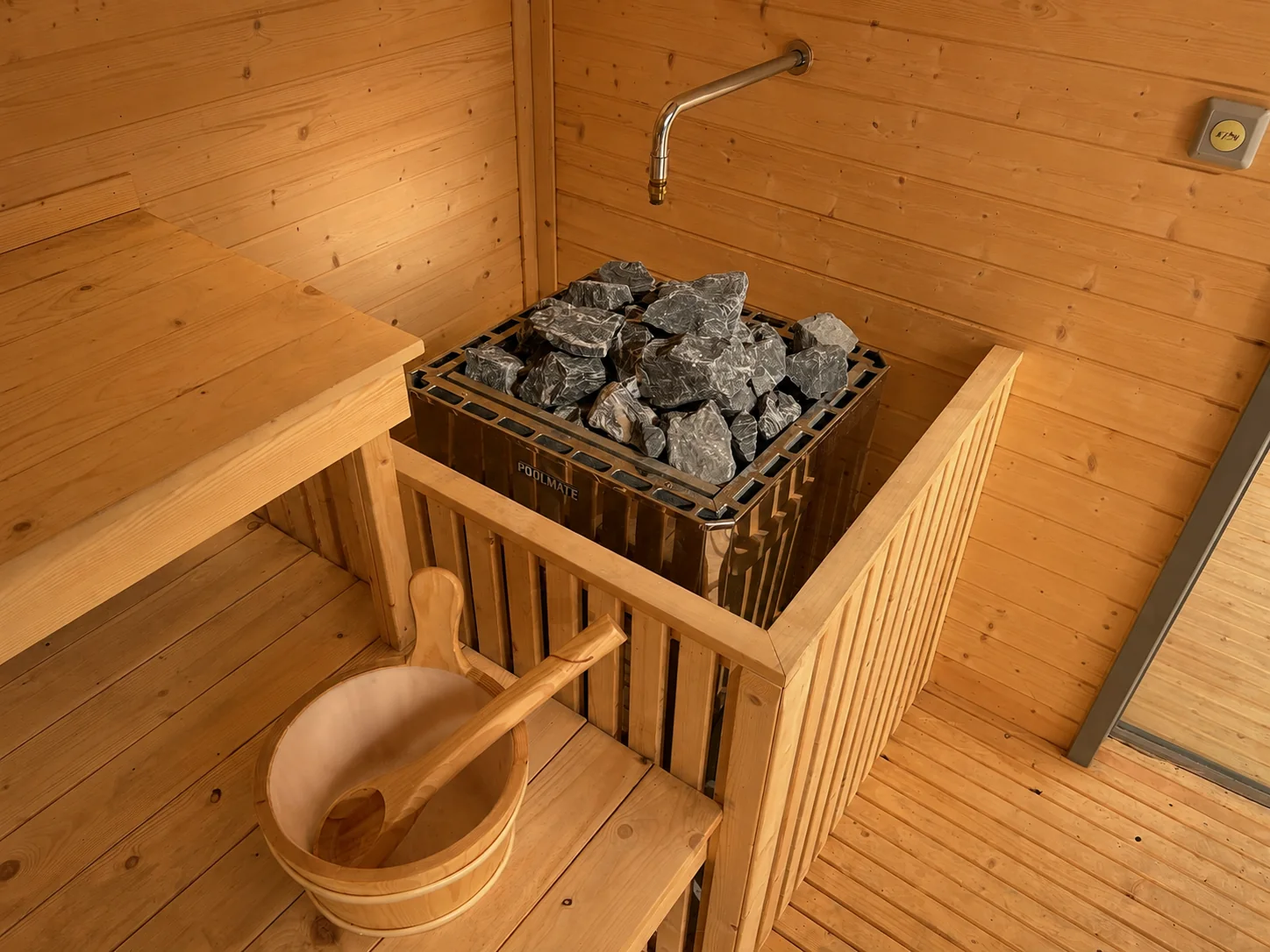
Inspect the structure, glazing, timber, benches, guards, doors, seals, heater, controls, ventilation, lighting, electrical equipment, water components where relevant, running gear or transport features where applicable, finishes and accessible service points.
Photograph important identifiers and conditions with date and location. Store the images against the asset record. Do not rely on informal messages scattered across personal devices.
If the delivered system differs, document the variation and its effect on evidence, use, serviceability, warranty and approvals before acceptance.
Separate delivery condition from commissioning
Delivery inspection identifies transport damage, missing items and visible condition. Commissioning verifies that the installed configuration operates as intended within the approved site and service conditions. They are not the same event.
Record packaging condition, impact indicators if used, moisture, glazing, finishes, movement, restraint points and inventory before removing all evidence of shipment. Notify the responsible parties through the agreed process and preserve supporting records.
Commissioning should be performed or supervised by competent people for the relevant work. It may include electrical verification, controls, ventilation, safety devices, door operation, lighting, heater operation, water systems, fault behaviour and site interfaces. Do not improvise tests beyond the competence and instructions available.
Use objective acceptance criteria
Write criteria that can be observed or measured. “Good quality” is difficult to administer. A drawing revision, functional test, finish reference, permitted tolerance, required record or response to a simulated fault is clearer.
For operating observations such as temperature or warm-up, record the method, ambient conditions, configuration, load, measuring equipment and duration. One demonstration does not establish universal performance.
Define critical, major and minor defects. A critical issue may prevent safe or lawful use. A major issue may materially impair the contracted function or commercial operation. A minor issue may allow controlled use while correction is scheduled. The definitions and consequences need contractual and professional review.
Assemble the handover document set
A useful set may include:
- approved drawings and configuration schedule;
- serial and component register;
- supplier declarations, reports and approval evidence applicable to the configuration;
- installation and commissioning records;
- operating, cleaning and maintenance instructions;
- wiring and service information appropriate for authorised personnel;
- risk information and residual limitations;
- inspection and replacement intervals;
- warranty statement and exclusions;
- defect and technical-support contacts;
- spare-parts list and ordering references;
- training attendance and competency records; and
- change, defect and close-out registers.
Check that documents are readable, translated where needed, version controlled and specific to the delivered configuration. A generic manual for another model can create false confidence.
Define warranty responsibilities
Record the warranty provider’s legal entity, coverage, start date, duration, exclusions, required maintenance, claim evidence, diagnosis process and remedy. Clarify who removes and reinstalls a component, who pays freight and local labour, and what happens when specialist attendance is required.
Ask whether approved local contractors may perform diagnosis or repair and what authorisation they need. Determine how the supplier responds across time zones and which channel creates an auditable case.
Do not promise public warranty terms until the owner has approved them and the contract supports them. Consumer guarantees may apply independently of a written warranty depending on the transaction; obtain Australian legal advice for the business model.
Build a risk-based spare-parts plan
Spare parts should reflect failure consequence, expected use, supplier lead time, storage life, cost, diagnosis difficulty and interchangeability. Separate consumables, routine replacements, critical operational spares and major assemblies.
For each part, record the exact reference, compatible configuration, quantity, storage requirement, inspection date, reorder point, supplier and approved substitute process. A box labelled “sauna spares” is not a controlled inventory.
Prioritise small, long-lead components that can stop operation, but do not replace technical advice with guesswork. Electrical and safety-related components should be selected and replaced only through the appropriate competent pathway.
Link the plan to the commercial maintenance lifecycle guide so stock decisions reflect inspection and replacement intervals.
Prepare operators and venue management
Training should match actual responsibilities. Operators may need to understand opening checks, user information, booking limits, cleaning, visual inspection, controller use, fault recognition, incident response, shutdown and escalation. Technical work should remain with appropriately qualified people.
Use a teach-back method: the operator demonstrates the task and explains when to stop. Record the trainer, attendees, date, configuration and limits of the training.
Safe Work Australia’s model code for plant risk management covers lifecycle matters including installation, commissioning, use, inspection, maintenance, transport and storage. The operating system should connect those stages rather than treating training as a one-off handover ceremony.
Control defects and open actions
Maintain one register with identifier, description, evidence, severity, immediate control, owner, target date, status and close-out proof. Avoid parallel lists in email, messaging apps and notebooks.
Do not close an issue because a part was dispatched. Close it when the agreed correction is installed, checked and documented. If temporary operation is proposed, record the competent decision, limitations, monitoring and end date.
Keep warranty claims separate from routine maintenance while linking both to the asset history. Repeated minor faults can reveal a systemic issue even when each individual repair appears small.
Establish the first operating review
Schedule reviews after initial commissioning and after a representative operating period. Examine defects, alarms, cleaning time, maintenance findings, energy or water observations where relevant, staff questions, booking pressure, downtime and guest feedback.
Compare actual use with the assumptions in the procurement brief. Update procedures, training and spare levels through controlled revisions. Do not rewrite history; preserve the original record and the reason for each change.
For commercial measurement definitions, use the mobile sauna KPI dashboard.
Connect handover to relocatable operation
For a mobile or relocatable system, acceptance also needs transport and recommissioning information. Record shutdown, securing, lift or tow points, route limitations, setup, levelling, connections, pre-start inspection and authorisation.
A successful first commissioning does not prove every future site. Apply the seasonal move plan and repeat site-specific checks after relocation.
If the system is a road trailer, preserve the identifiers and documents required for its Australian vehicle pathway and registration. Confirm obligations with the responsible authorities and advisers; do not infer road legality from physical appearance.
Common handover mistakes
- Signing acceptance before critical documents arrive.
- Treating delivery inspection as commissioning.
- Accepting generic manuals for another configuration.
- Leaving serial numbers and component references unrecorded.
- Assuming warranty includes local labour or freight.
- Buying spare parts without confirming compatibility.
- Closing defects when parts are shipped rather than verified.
- Training one person without preserving the material.
- Using commissioning results as universal performance claims.
- Moving the system without a recommissioning process.
Frequently asked questions
When should final acceptance be signed?
Use the timing and conditions in the reviewed contract. Critical function, safety, compliance and documentation issues should be resolved through the agreed process before final acceptance.
Is a supplier warranty certificate sufficient?
It is only part of the support system. Confirm the provider, coverage, exclusions, claim process, freight, labour, diagnosis, maintenance conditions and relationship to applicable legal rights.
Which spare parts should be held locally?
Choose from failure consequence, lead time, use, storage and competent technical advice. Record exact part references and compatibility.
Who should commission the sauna?
The required competencies depend on the system and work. Use appropriately qualified people for electrical, structural, water, vehicle or other regulated activities.
What evidence should be kept after a defect is fixed?
Keep the original observation, immediate control, diagnosis, parts, work performed, competent person, test or inspection result, date and close-out approval.
How can a venue request a commercial system discussion?
Provide the venue, intended use and procurement stage through the commercial enquiry form or call 0432 394 901.
Sources and limitations
- Safe Work Australia — Managing risks of plant in the workplace
- ACCC — Consumer rights and guarantees
- Department of Infrastructure — Vehicle portals and the Register of Approved Vehicles
- Australian Government — Develop an emergency management plan
This is general procurement and operational information, not engineering, electrical, building, legal, vehicle-compliance, workplace-safety, medical or insurance advice. Confirm requirements for the exact asset, site and operating model.
Plan your commercial system
Start with your venue, audience and operating goal.
Tell Mobile Sauna Systems about the proposed site and commercial opportunity so the right questions can be framed for a qualified project discussion.
This article provides general information only and is not medical, legal, planning, engineering or financial advice. Requirements vary by project and jurisdiction. Seek appropriately qualified advice for your circumstances.